Level 2 home charging done right the first time — fully permitted, inspected, and guaranteed for a year. A charger at home should be sized for your vehicle before anyone quotes it, and our electrician checks that on the first visit.
Get Your Free Quote
Thank You For Your Submission!
A team member will be reaching out to you shortly.





Here's a quick look at the four most popular Level 2 chargers — and who each one fits best. Each of these chargers changes how fast you charge and what the work involves. We fit the charger to your home rather than the other way around.
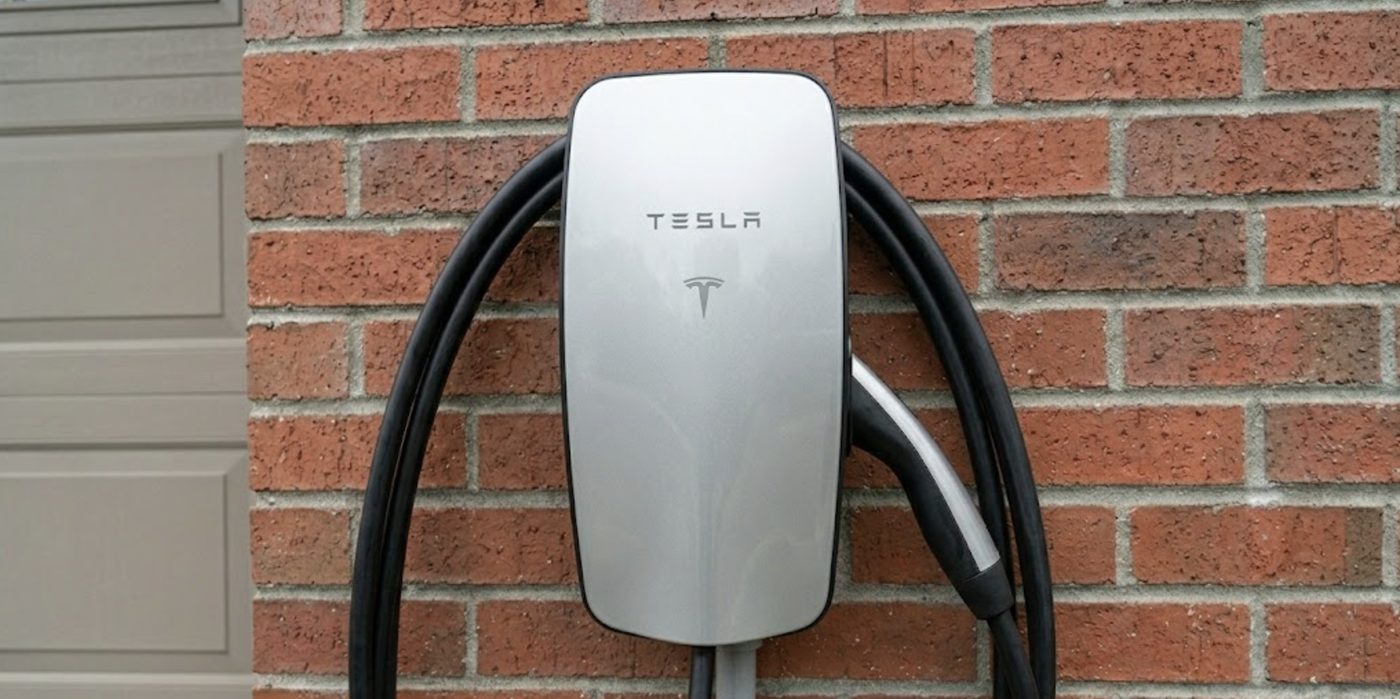
The fastest, cleanest option for Tesla owners. Charges any Tesla at full speed and comes with a four-year warranty — the longest in the industry. We mount it clean and pair it to your Tesla app before we leave. Charging speed depends on the circuit behind it as much as the unit itself. We size that circuit so your charging station runs at its full rate.
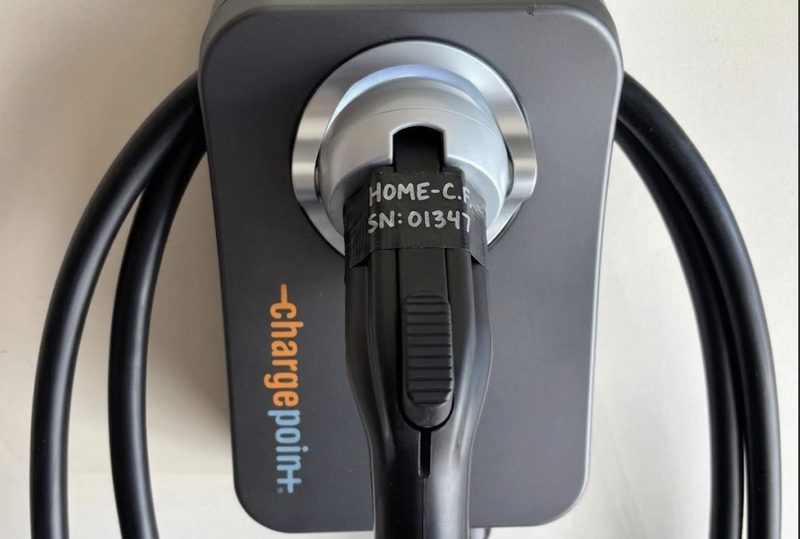
Works with every non-Tesla EV on the road. The ChargePoint app is the most popular in the country, handles overnight scheduling, and connects to your utility's off-peak rates so you charge for less. It is the EV charger we fit most often for a non-Tesla household. Overnight charging on an off-peak rate is where the savings show up, and our electrician can set that schedule with you.
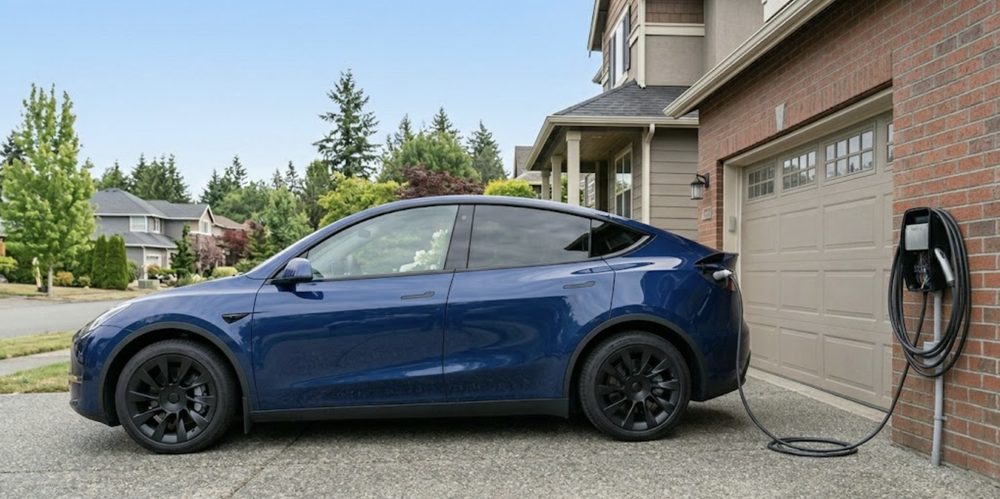
Compact, weatherproof, and a strong pick if you have two EVs. Its built-in load sharing lets both cars charge on a single circuit overnight without ever tripping the main breaker. Two electric vehicle households are common in Charlotte now, and this is the charger we reach for. Load sharing keeps both cars charging without adding circuits.
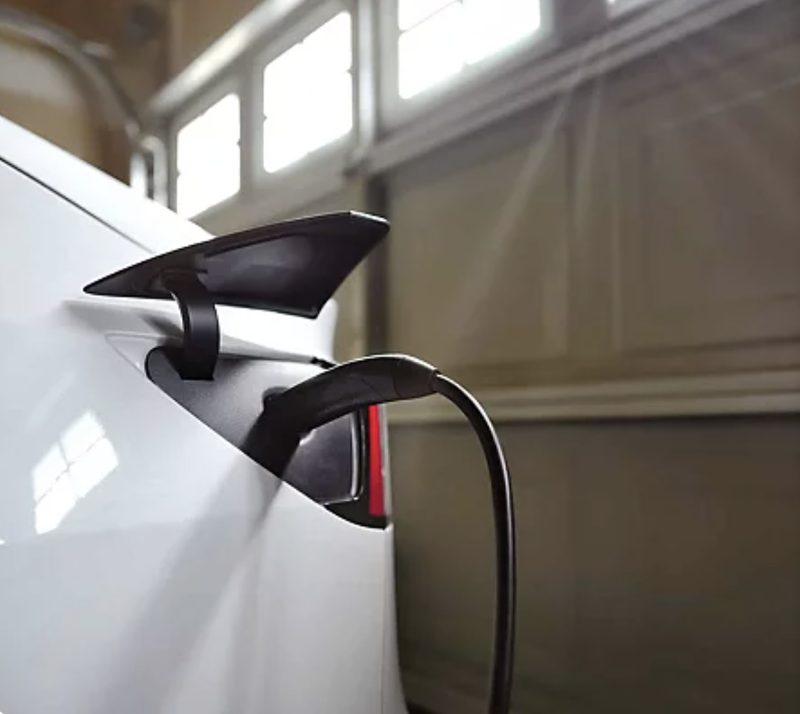
Built like a tank and tested to extreme cold. A great pick for outdoor mounts or anyone who wants a simple, no-app, do-the-job charger that lasts. If the charger lives outside, this is the one we choose. It handles heat and cold without an app layer, and charging is as simple as plugging in. That makes it our pick for a detached garage or carport.
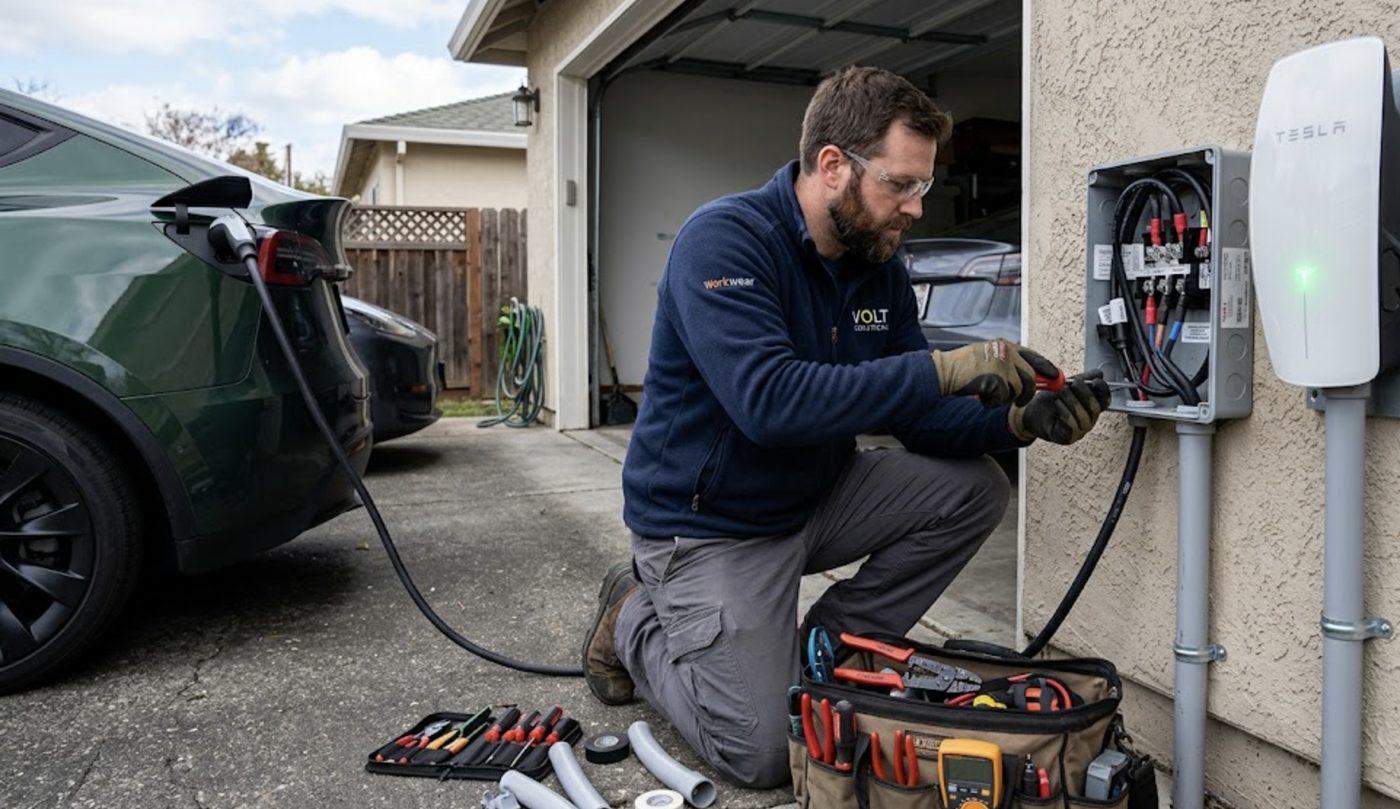
You just got your EV. You want to plug it in at home and wake up to a full battery — without a melted outlet, a surprise panel bill, or an unpermitted install that puts your homeowner's insurance at risk. NextHome EV Charger Installation covers everything between your electrical panel and your charger: the quick load check, the wiring, the outlet or hardwire connection, the permit, and the inspection. That is the whole job, start to finish, with one local electrician on it. Our installation services cover the permit and the inspection too.
We install every major Level 2 brand — Tesla Wall Connector, ChargePoint Home Flex, Wallbox Pulsar Plus, Grizzl-E, JuiceBox, Enphase, and more — and we tell you which one fits your home and your EV before we ever quote you. Most straightforward installs run between $800 and $2,500 all-in. If you've already settled on a 240-volt setup, our Level 2 EV charger installation page goes deeper on speeds and brand tradeoffs. Every charger we carry is built for daily charging at home rather than occasional top-ups.
A plug-in setup uses an industrial-grade NEMA 14-50 outlet (Hubbell or Bryant) on its own dedicated circuit. We use the parts that actually handle the heavy nightly load — not the cheap ones that melt after six months. That outlet becomes a charging station in its own right, which is why the parts matter more than people expect. Dedicated circuits are the whole point of doing this properly.
A real check of your panel tells you whether it has room for an EV circuit. If it doesn't, we upgrade your panel the right way — coordinated with the utility, fully permitted, and ready for the rest of your home's future electrical needs. Most homes have room already. Where they do not, the upgrade covers the rest of your home electrical load as well, not only the charger. That capacity is the one thing worth checking before you buy an EV charger.
A smart load-sharing device lets you add a second EV without a full panel upgrade. Both cars charge overnight on a single circuit without ever tripping the main breaker. Two electric vehicle households do not automatically need more capacity. Load sharing is usually the cheaper answer and keeps both cars charging overnight. We are installing more of these every year.
Our Process
Text or call us with a few photos of your panel and where you want the charger. We'll send you a flat quote within one business day — broken down by parts, labor, and permit. No surprises. The quote covers the charger, the circuit, and any permits required as separate lines, so you choose what you want before anything is booked. Our installation services are quoted the same way every time.
We pull the electrical permit with your local building department before we start. Skipping the permit can put your homeowner's insurance at risk on a future claim — we don't take that shortcut. Your local building department sets the rules and they differ across the county. A licensed electrician handles that, so a professional installation leaves you with clean paperwork rather than a chase.

We protect your floors, run the wiring clean, install the charger, and walk you through the app setup before we leave. Most installs wrap in two to six hours. Panel upgrades add about half a day. Most of that time is the circuit run rather than the charger itself. Your EV charger is usually live before we pack up, and you are charging the same evening.
The inspector signs off on the install, the permit closes out, and you get a copy for your records. You're charging the same day in most cases — and your homeowner's insurance stays valid. After that the charging station is yours to use without another thought. We leave the app connected and the paperwork in your hands.
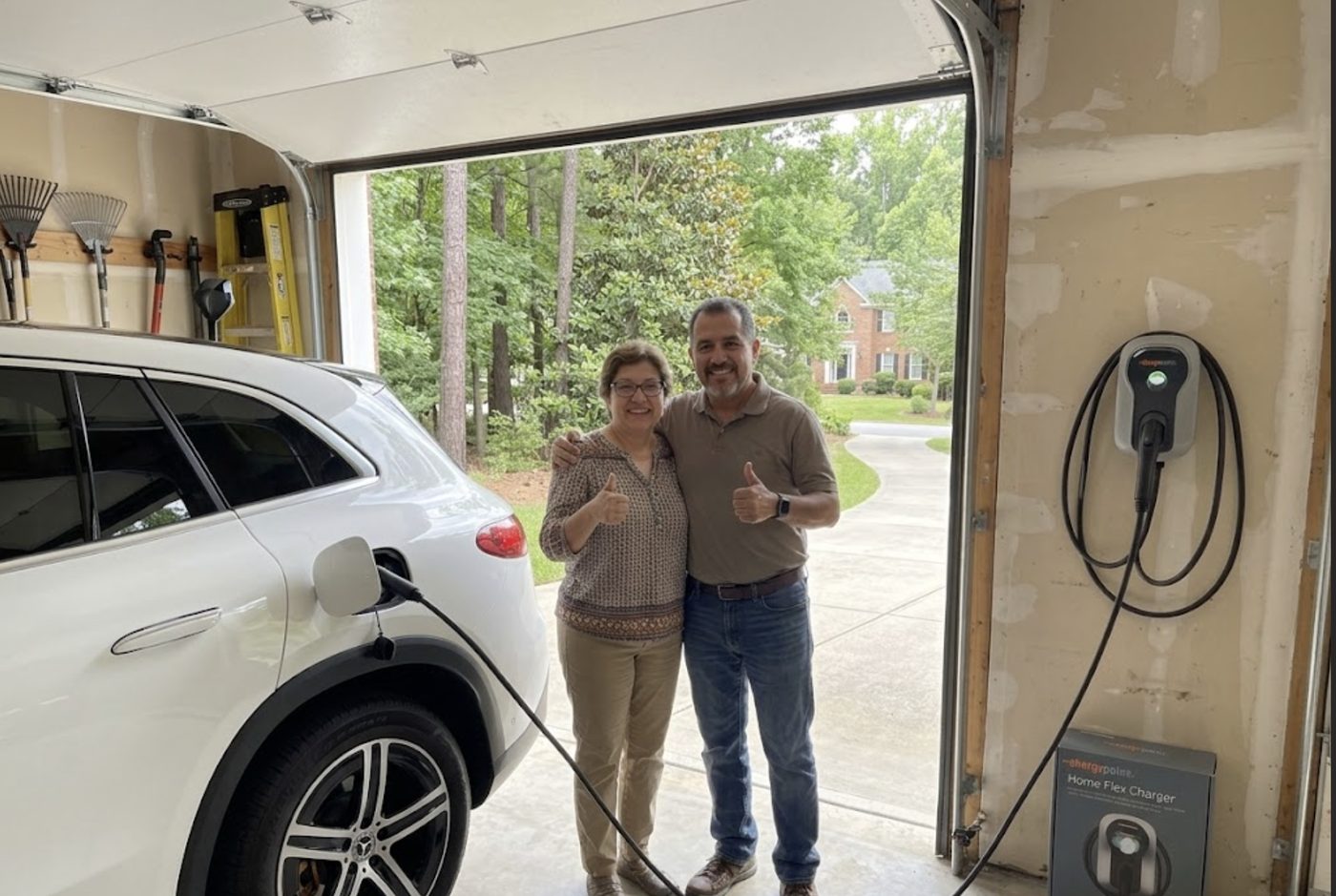
We do EV charging — not HVAC, not plumbing. When you call us, you're talking to someone who has installed Tesla Wall Connectors, ChargePoint Home Flex units, and Wallbox Pulsar Plus chargers on hundreds of homes. We know what fits your home and your EV before we ever show up. We are an EV charger installer first and an electrical contractor second, so we know which charger suits which home and which electric vehicle without guessing.
You get a flat quote in plain English before we start. Most installs land between $800 and $2,500 — and if a panel upgrade is needed, you'll see that as a separate number you can accept or pass on. No high-pressure sales. No surprise add-ons day-of. No selling you an upgrade you don't actually need. We price the same way for everyone, and you choose what you take. Energy costs come down again when the charging runs off-peak.
If you're a Duke Energy Carolinas customer, you may qualify for the Charger Prep Credit — up to $1,133 reimbursed for the electrical work needed to install a Level 2 charger. It's a real program, currently funded, and most of our customers qualify. We help you file the paperwork so you don't leave that money on the table. The credit covers the electrical work behind the charger, not the charging unit itself.
Get My Free Quote
Most home EV charger installations land between $800 and $2,500, including the labor, materials, and permit. A typical install with a newer 200-amp panel runs $1,200 to $1,800. Costs climb to $3,000 to $6,000 if a panel upgrade or a long wiring run is needed. Those ranges cover the charger, the circuit, and the permit. Most home installations range from a simple circuit run to a full upgrade, so a local electrician quoting your home in person will land closer than any online estimate.
Yes. Almost every building department requires an electrical permit because a Level 2 charger adds a dedicated 240-volt circuit. A licensed electrician pulls the permit, schedules the inspection, and handles approval. Skipping the permit can void your homeowner's insurance on a fire claim. The permit is part of every installation we do, and it protects the home as much as it protects you.
Often, no. Most homes built after 2000 have enough panel capacity for an EV charger. We run a quick check before quoting. If your panel is older or already full, there's often a smaller workaround that costs a lot less than a full upgrade. Your home can usually take the EV charger as it stands, and the charging setup goes in without any further work.
Most installs take two to six hours on site. A panel upgrade adds another half day to a full day. Counting the permit and inspection, the whole process usually wraps in 1 to 2 weeks from your first call to a final inspection sign-off. Timing depends on inspection schedules more than the work itself. Your charging station is usually live well before the paperwork finally closes.
A hardwired charger is wired straight to your panel and can charge at a higher amperage — meaning about 25% faster. A plug-in charger plugs into an outlet on the wall, so it's portable if you ever move. We'll walk through which one fits your home before you decide. Already have a charger that's stopped working? See our EV charger repair service. Either way the EV charger is fitted to the same standard and will serve a home for years.