Wake up to a full battery — fast home charging, installed in a day, permitted and backed for a year. A Level 2 charger at home is the difference between overnight charging and topping up all week. We match the charger to your home panel first.
Get Your Free Quote
Thank You For Your Submission!
A team member will be reaching out to you shortly.





Level 2 chargers come in 32, 40, and 48-amp setups. Here's a quick look at the four most common options — and who each one fits best. The amp rating you choose depends on your panel and your car, not on which charger has the highest cost. We size the charging to both.
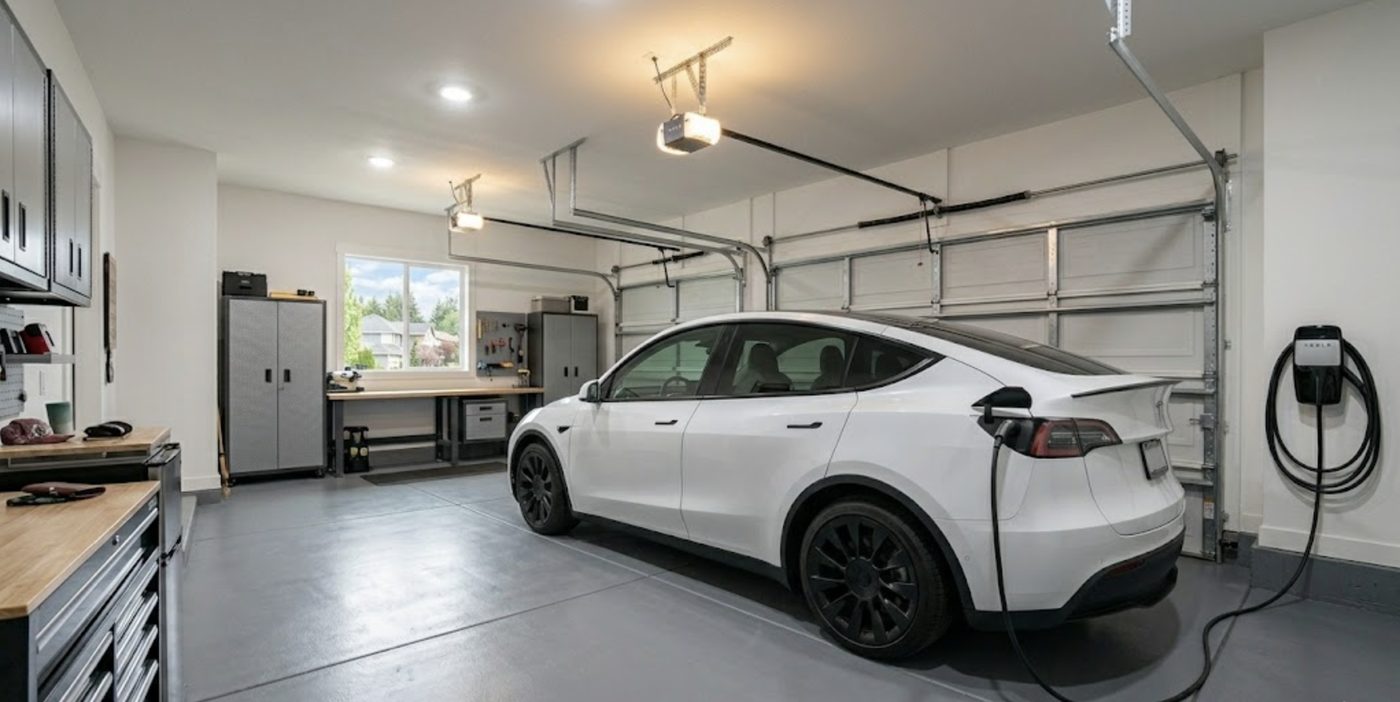
About 25 miles of range per hour — plenty for commutes under 40 miles a day. Most non-Tesla EVs charge at full speed on this setup. A 32-amp charger suits most homes and puts less load on the electrical panel, so charging stays simple and the charger lasts.
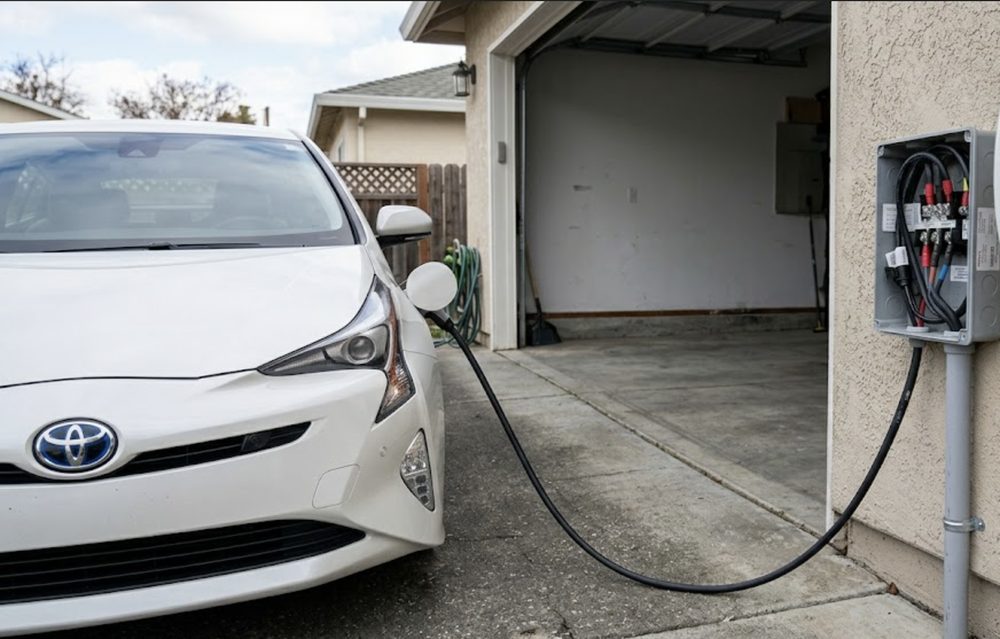
About 30 miles of range per hour — the sweet spot for most homeowners. Pairs cleanly with a wall outlet for a plug-in install. It is the charger we install most often. Forty amps covers almost every EV charging need without touching your panel, and the charger runs cooler for it.
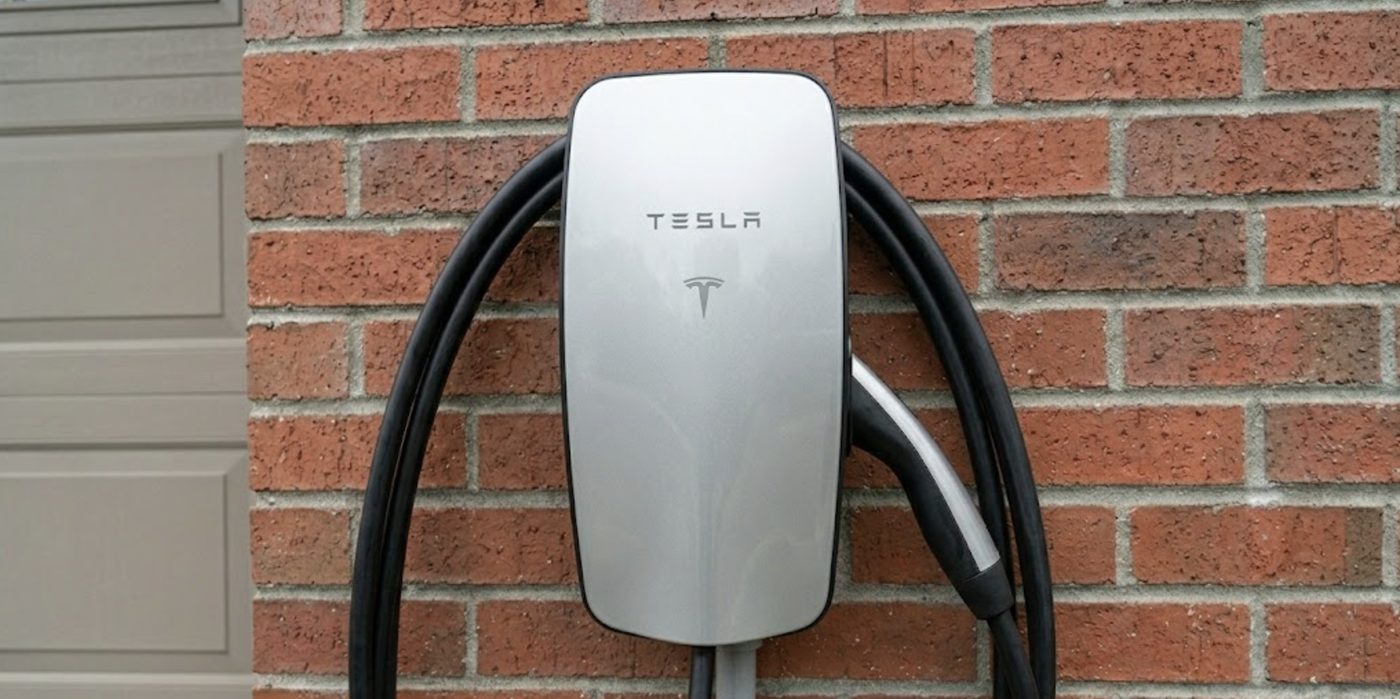
About 35 to 40 miles of range per hour, hardwired to your panel. Best for Tesla Model 3 and Y, Rivian, and F-150 Lightning owners. A hard-wired charging setup is required for these speeds, and your home needs the panel capacity behind it. We check that before recommending a charger this fast.
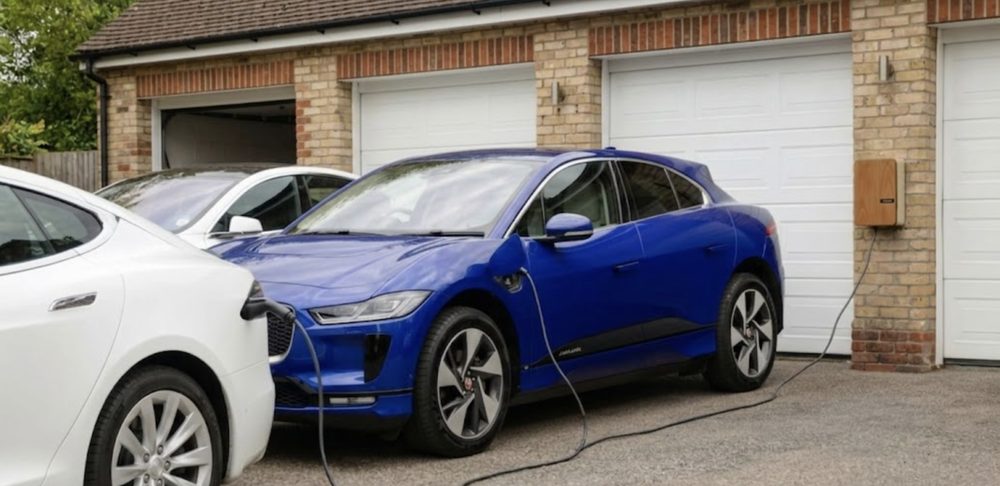
Two cars sharing one circuit, taking turns overnight without overloading your panel — and you skip a full panel upgrade. Two chargers on one circuit keeps the cost down and the safety margin intact. Both cars still charge overnight, and your home panel never sees the full load.
You've already decided you want Level 2 — now you're picking the brand, the speed, and the setup. Our Level 2 EV charger installation service at NextHome EV Charger Installation focuses on the 240-volt setup most EV owners want. We cover the wiring, the mount, the permit, the inspection, and the app pairing before we leave. That covers the charger, the wiring, and the app pairing as one service. Your home is left the way we found it, and the charging works before we go.
We install every major Level 2 brand — Tesla Wall Connector, ChargePoint Home Flex, Wallbox Pulsar Plus, and Grizzl-E — and we'll tell you which one fits your EV before we quote. If you're a Tesla owner looking specifically for a Wall Connector, head to our Tesla Wall Connector installation page. Every charger we carry is a true Level 2 unit rated for daily charging at home rather than occasional top-ups.
Most installs run between $1,500 and $2,500 all-in. Federal and utility programs can cover a real chunk of that for eligible homeowners. We tell you the full cost in writing before we touch a wire. The installation cost covers the charger and the circuit. Energy savings from off-peak charging usually pay part of it back over the first year at home.
The charger wires straight to your panel — cleanest look, no outlet to fail, and supports the fastest speeds. The right call for most homeowners staying five years or more. A hardwired charger draws less attention on the wall and is required if you want the fastest charging your home can take.
The charger plugs into a dedicated wall outlet — portable if you ever move. A good fit for renters or anyone who might swap chargers down the road. A plug-in charging station is easier to move and costs a little less to install. Both meet the same safety standard when the circuit behind the charger is right.
Set the charger to start at off-peak hours, track energy use in the app, and get firmware updates automatically. Worth it if your utility offers time-of-use rates. Energy tracking is where most owners find savings. Charging on an off-peak rate can cut the running cost of an EV charger sharply over a year at home.
Our Process
Text or call us with your EV model and a few photos of your panel and garage. We'll send you a flat quote within one business day — broken down by parts, labor, and permit. No surprise charges. Photos of the electrical panel tell us most of what we need. Pricing comes back the same day in writing, broken down by charger, circuit, and labor.
We pull the electrical permit with your local building department before we start work. Skipping the permit can put your homeowner's insurance at risk on a future claim — we don't take that shortcut. An electrical contractor files that paperwork, not the homeowner. It is part of the service, and it is why your charger stays covered.

We protect your floors, run the wiring clean, mount the charger, and pair it to your EV app before we leave. Most installs wrap in a single afternoon. Most Level 2 charger work is a single afternoon in the home, and you are charging that night.
The inspector signs off, the permit closes out, and you're charging at full speed the same day. Your homeowner's insurance stays valid and your install is built for the long haul. After that the charging station is yours and nothing else is required from you. The charger keeps its warranty and your home keeps its cover.
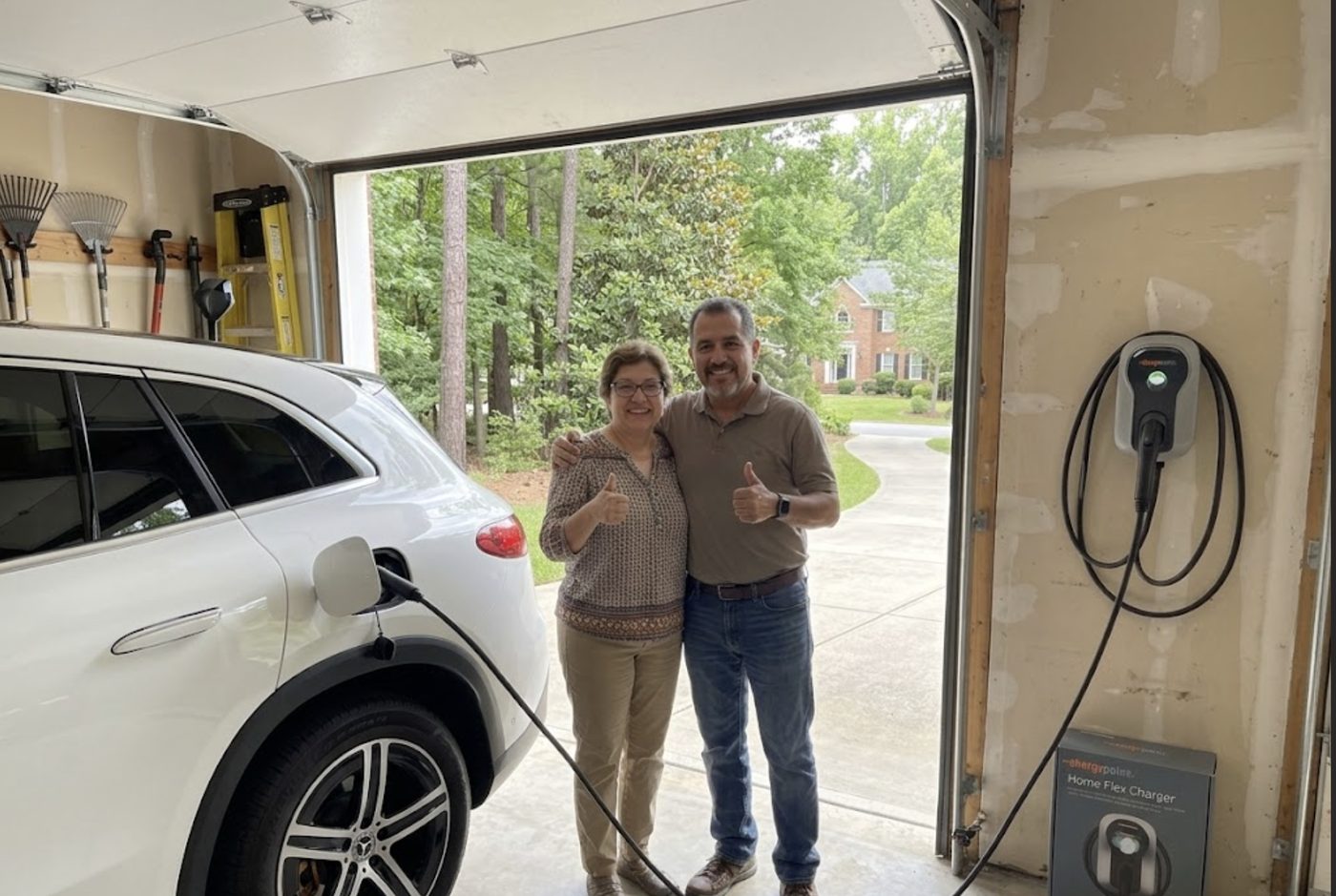
We do EV charging — that's the focus, not a side service to HVAC or plumbing. When you call us, you're talking to someone who has installed Tesla Wall Connectors, ChargePoint Home Flex units, Wallbox Pulsar Plus chargers, and Grizzl-E setups on hundreds of homes — and we handle EV charger repair when one of those setups stops working. We know which brand and which speed fits your EV before we ever show up. EV charging is the whole business, so we know which charger fits which home and which car without guessing at it.
You get a flat quote in plain English before we start. Most installs land between $1,500 and $2,500 — and if a panel upgrade is needed, you'll see that as a separate number you can accept or pass on. No high-pressure sales. No surprise charges on install day. No selling you a faster setup when a slower one is plenty for your EV. The cost is the cost. No charger we fit carries a markup, and the pricing you see is the pricing you pay.
Federal and local programs can cover a real chunk of your install. Eligible homeowners may qualify for up to $1,000 through the federal tax credit (expires June 30, 2026). Duke Energy Carolinas customers can stack another $1,133 through the Charger Prep Credit. We help you file the paperwork so you don't leave that money on the table. Those credits apply to the charger and the electrical work behind it, which brings the real cost of charging at home down a long way.
Get My Free Quote
Most Level 2 EV charger installations run between $1,500 and $2,500 all-in — covering the charger, the wiring, the labor, and the permit. Premium chargers, long wiring runs, or panel upgrades push some installs to $3,500 or more. Federal and utility incentives can offset $1,000 to $2,100 of the total for eligible homeowners. A typical home lands in the middle of that range. A bigger electrical panel is what pushes an install toward the top of it, and we say so before any work starts.
A Level 2 charger adds 25 to 40 miles of range per hour, depending on the speed setup. Most EVs fully charge in 4 to 10 hours overnight. A plug-in hybrid wraps in 2 to 4 hours. Your car's onboard charger and the speed you pick set the actual time. Charging speed also depends on the charger you pick, not only on the car. A faster charger will not help a car that cannot accept the rate.
Level 1 plugs into a standard outlet and adds 3 to 5 miles of range per hour — fine only for short commutes or plug-in hybrids. Level 2 uses a 240-volt circuit and adds 25 to 40 miles of range per hour, six to ten times faster. Most full-battery EVs can't keep up with daily driving on Level 1 alone. For daily driving a Level 2 charger at home is the only setup that keeps up with the miles.
You can mount the charger and run conduit yourself, but the 240-volt circuit has to be wired by a licensed electrician in most places. DIY wiring without a permit can void your homeowner's insurance, fail inspection at resale, and trip the warranty on your charger. The labor cost is small next to the risk. For a fully permitted, warranty-backed install, see our home EV charger installation service. Safety is the reason, not the paperwork. A bad circuit behind a charger is a fire risk, and no charging schedule is worth that.
Yes. A Level 2 charger pulls a lot of power continuously, and the electrical code requires it to run on its own dedicated 240-volt circuit. Sharing the circuit with a dryer, oven, or anything else trips breakers, overheats wiring, and creates a real fire risk. That dedicated circuit is required by code and it is what makes the charging safe. Your home panel has to have room for it first.